• Skip to main content

Townhouse Spitalfields

Vintage, gallery, coffee and cake

  • Home
  • Events
  • Contact

Exhibitions

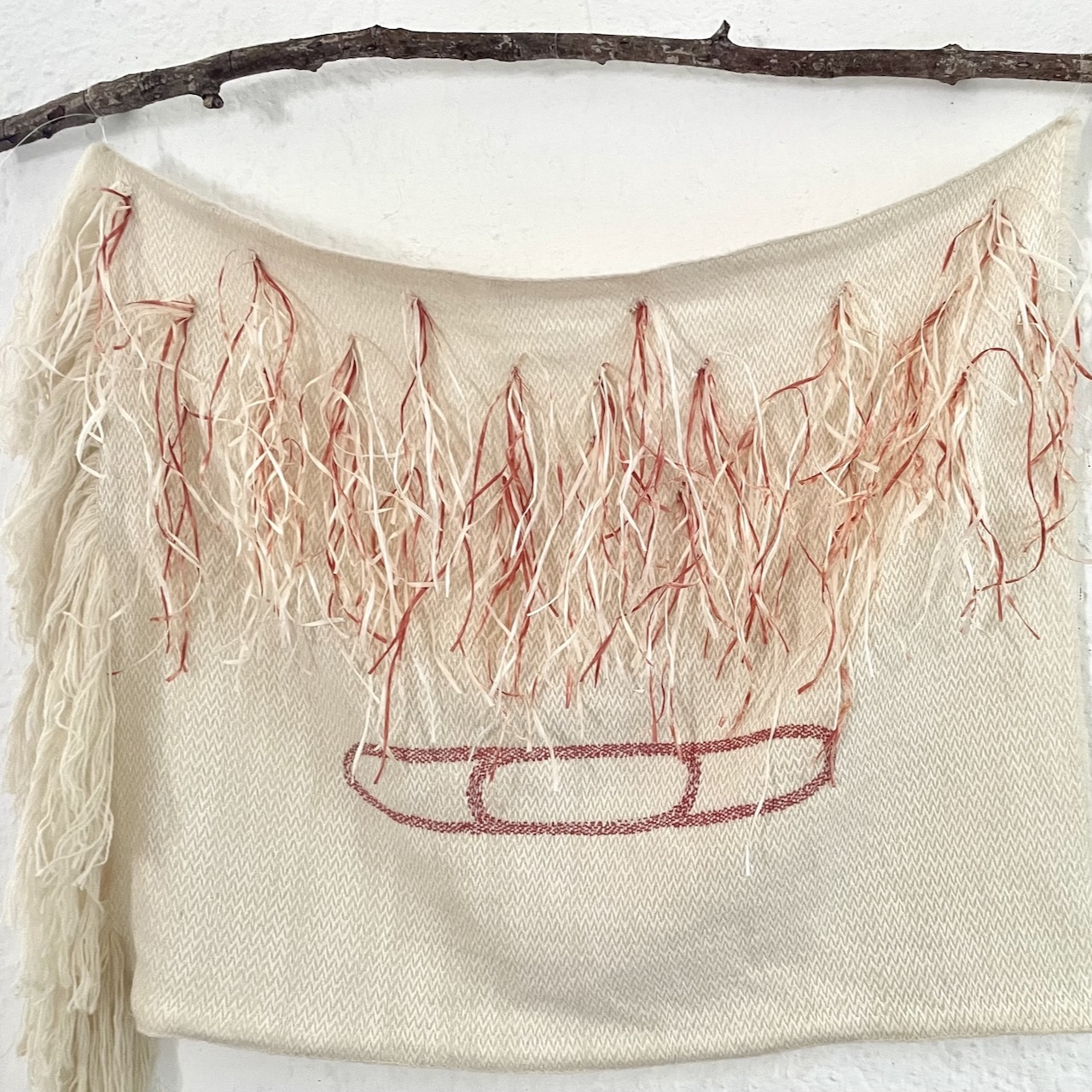
Esme Hamer: Screen I 21 x 29cm acrylic yarn, £115

July 8, 2026 By fiona

Inter Woven textile art exhibition Town House Spitalfields

Filed Under: Exhibitions, For Sale Tagged With: textile art, Inter Woven, Town House, Exhibition, gallery, Spitalfields

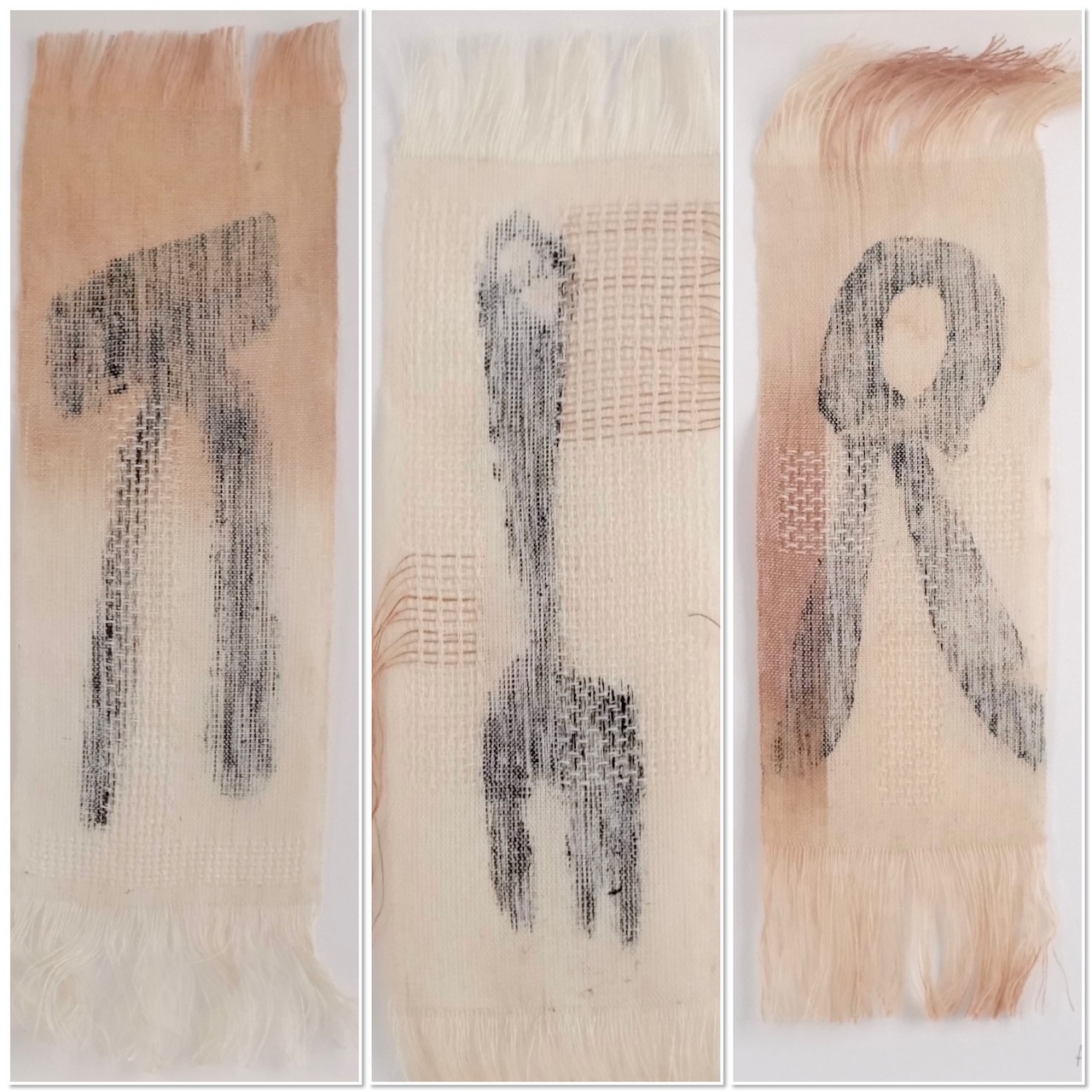
Esme Hamer: Screen II 21 x 29cm acrylic yarn, £115

July 8, 2026 By fiona

Inter Woven exhibition Town House Spitalfields

Filed Under: Exhibitions, For Sale Tagged With: gallery, Spitalfields, textile art, Inter Woven, Town House, Exhibition

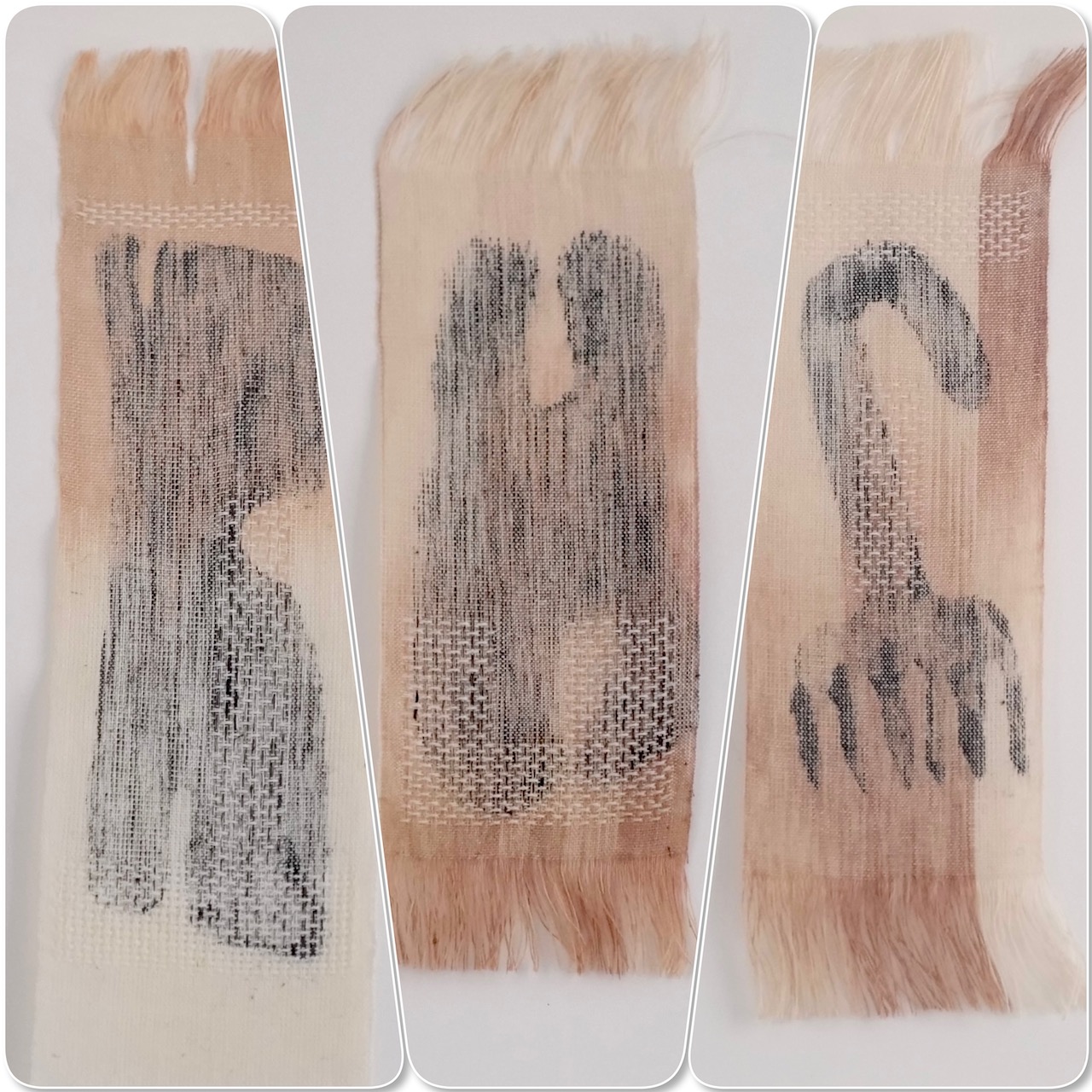
Esme Hamer: Screen III 21 x 29cm acrylic yarn, £115

July 8, 2026 By fiona

Inter Woven exhibition Town House Spitalfields

Filed Under: Exhibitions, For Sale Tagged With: Town House, Exhibition, gallery, Spitalfields, Inter Woven

Inter Woven: 9th – 30th July

July 7, 2026 By fiona

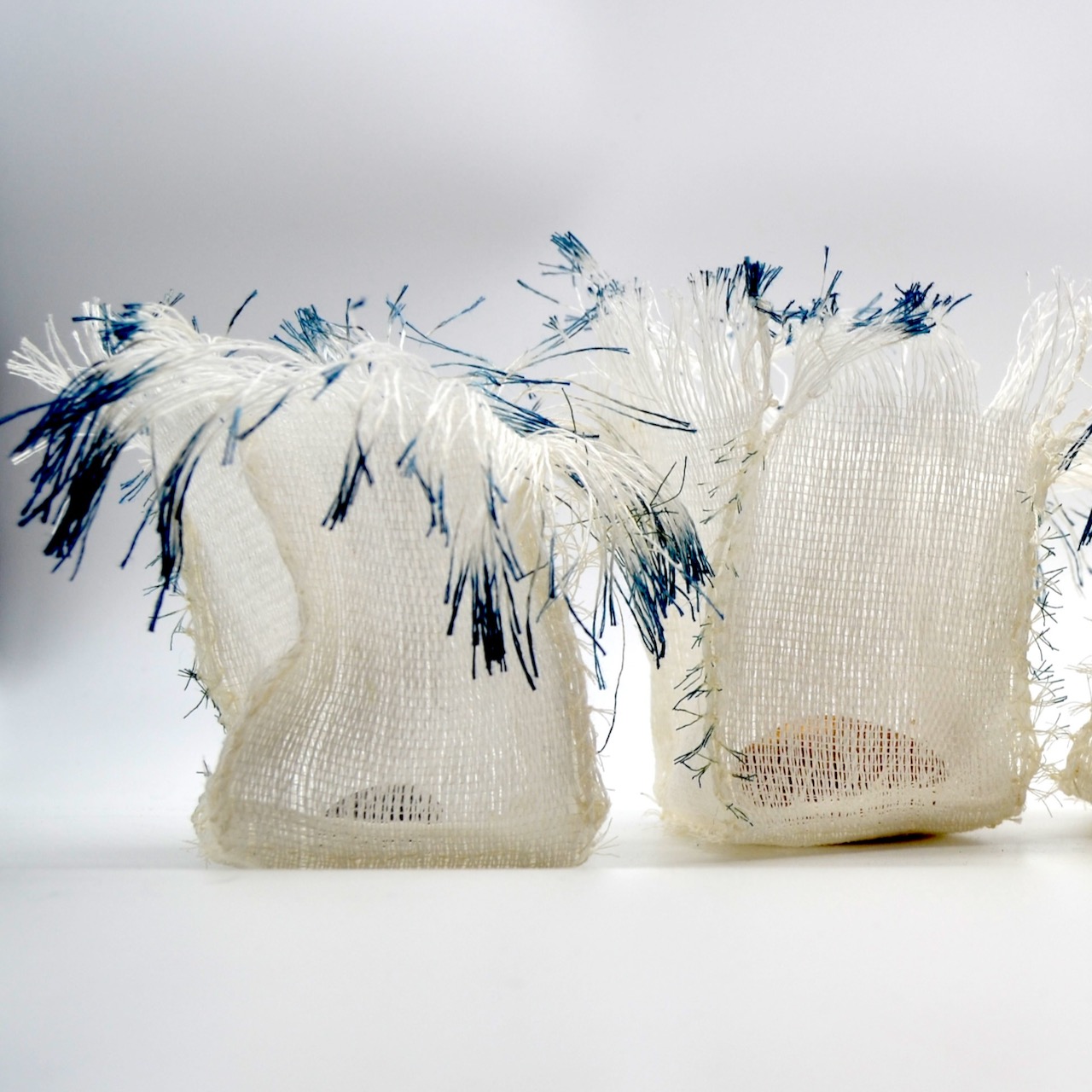
InterWoven textile artist exhibition Town House

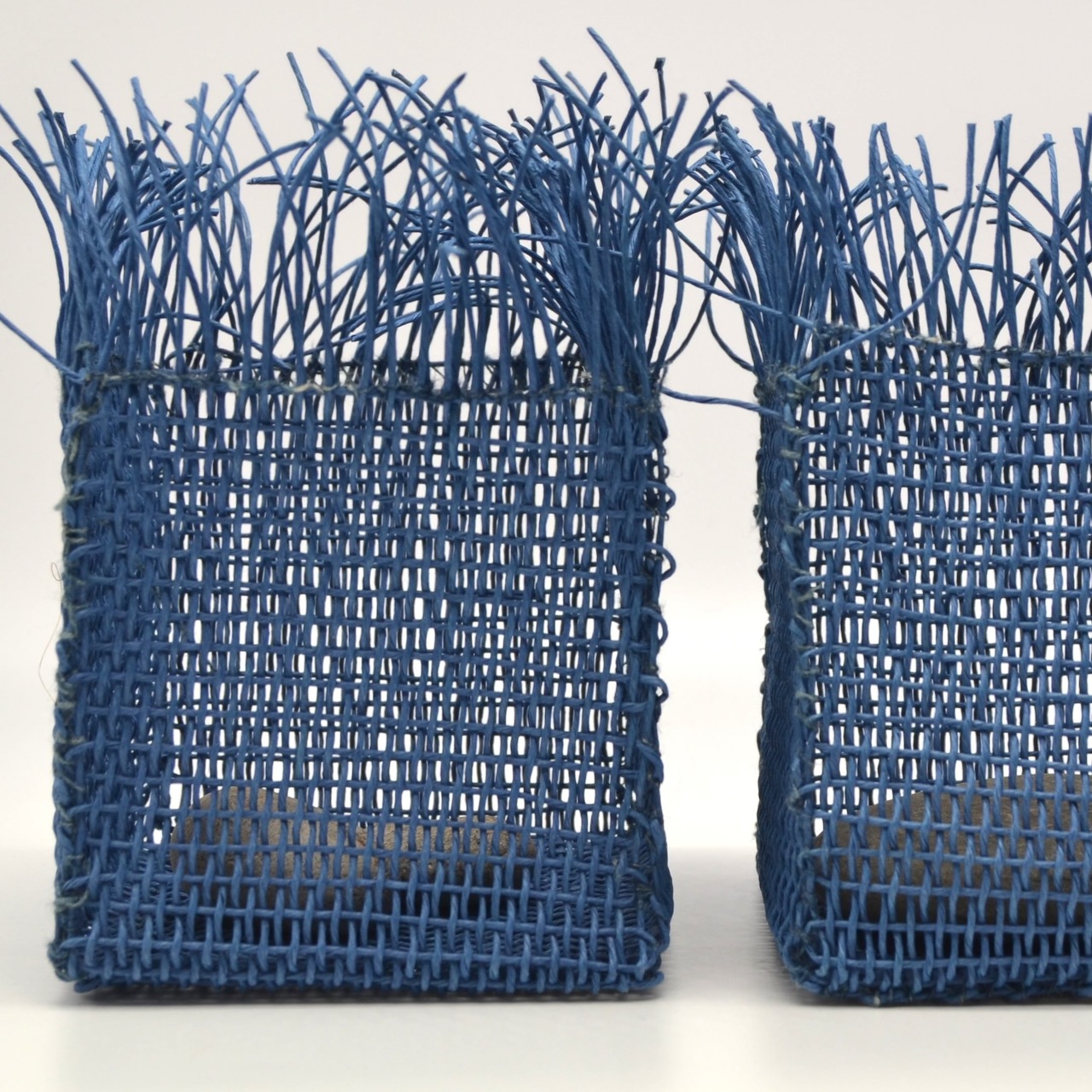
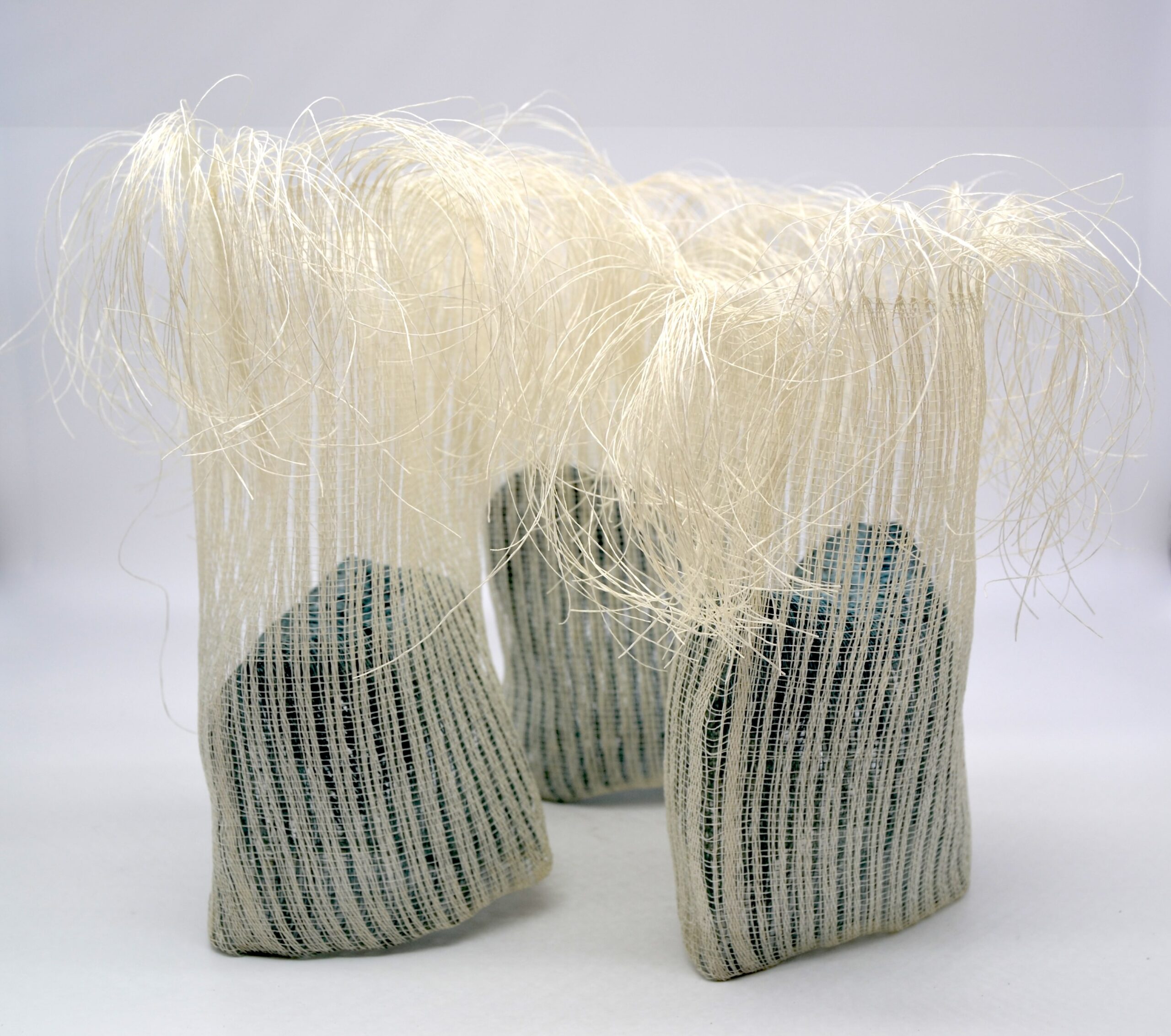
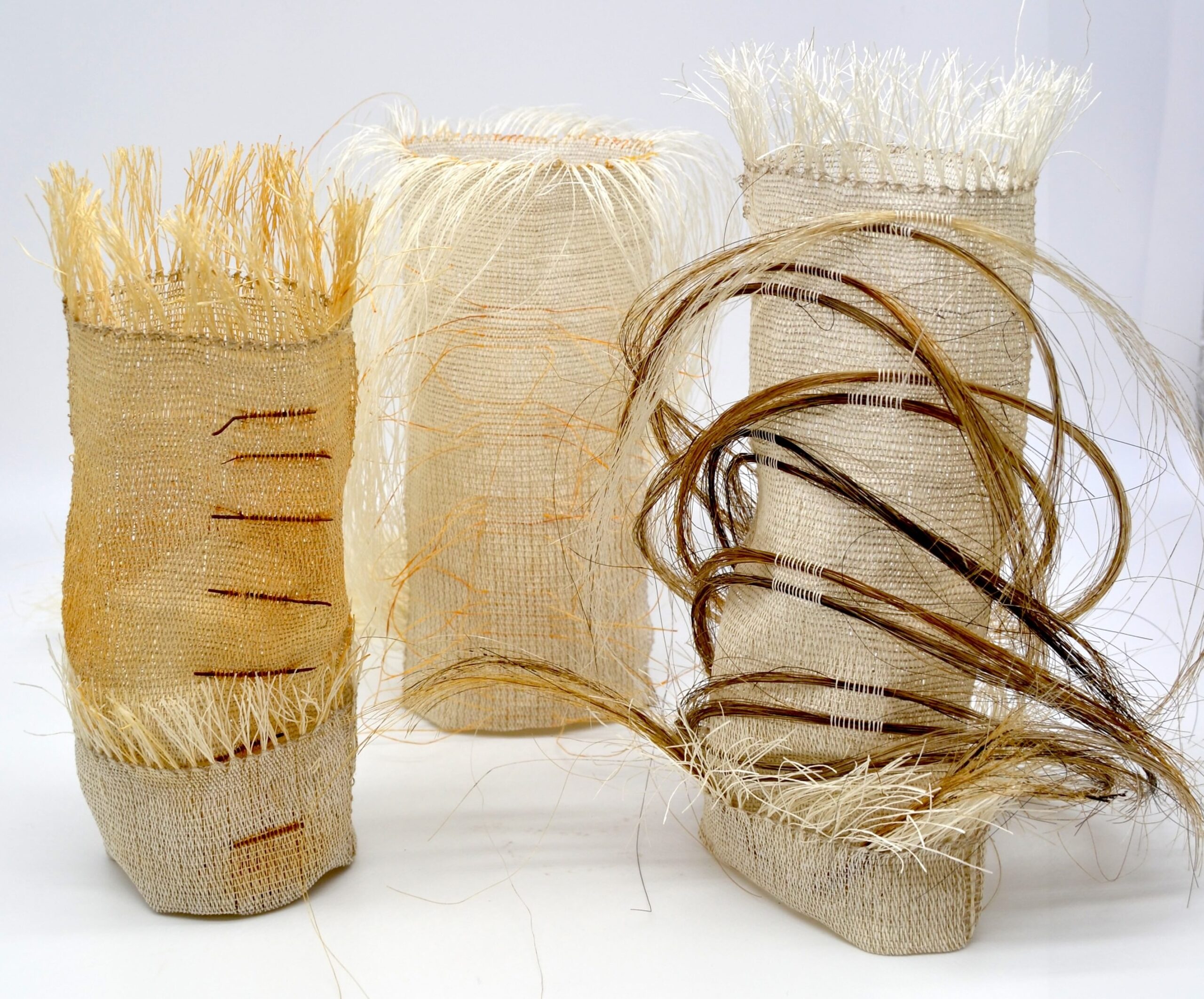
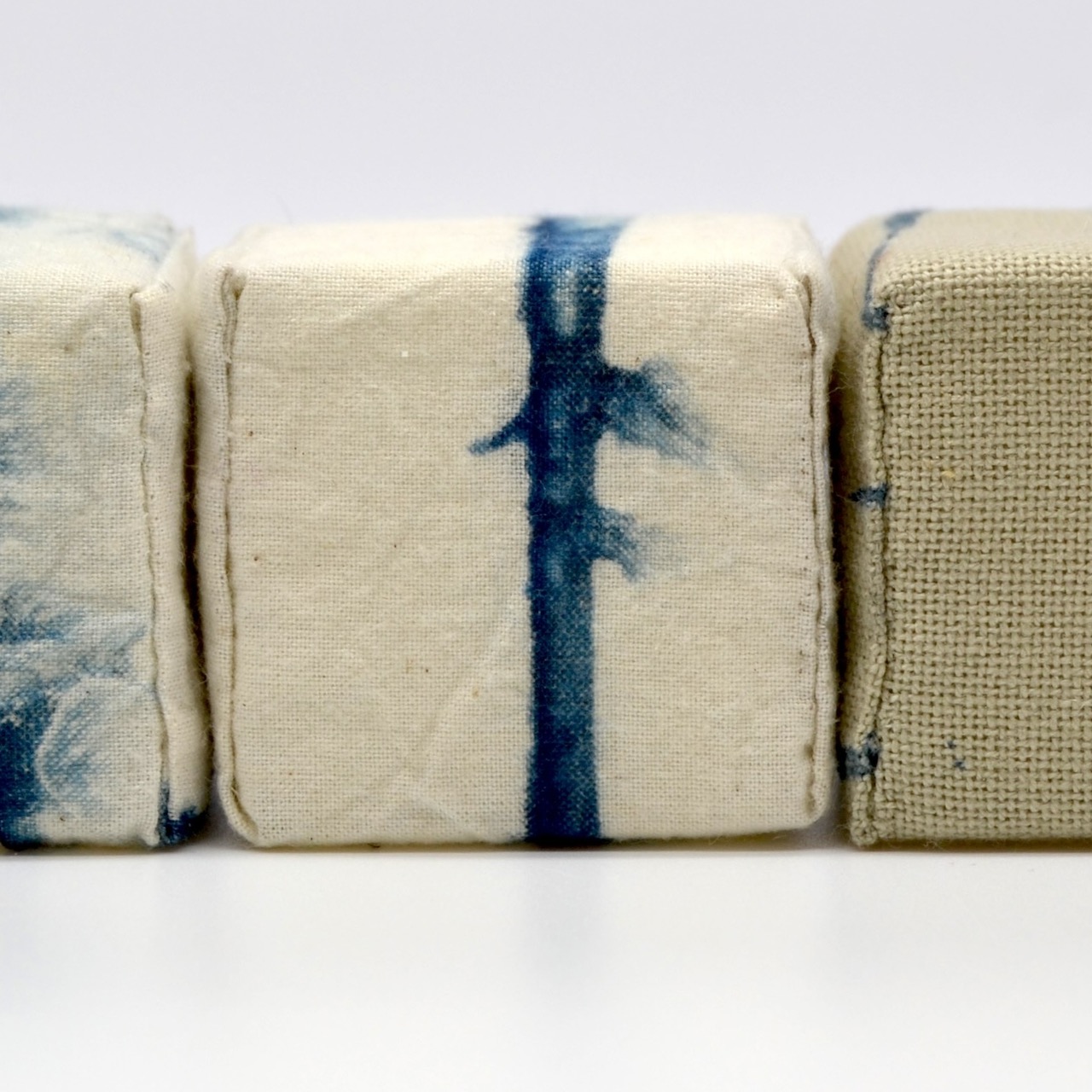
Interwoven brings together 7 contemporary textile artists using traditional craft techniques to reinterpret the present. The work featured spans beading, weaving, textile printing and crochet. Through reconnection with this slow, labour-intensive way of working the artists question the rapid pace of contemporary technology and invite time for reflection.

The artworks highlight textile craft not as a fixed tradition but as an evolving conversation between materials, makers and the world we inhabit. Familiar techniques become investigations of ecology, technology, domestic space, memory and social history. The results challenge expectations and demonstrate that craft is not simply a method of production but a way of questioning, recording and connecting.


Filed Under: Events Page, Events, Exhibitions, For Sale Tagged With: Exhibition, gallery, textile art

Eleanor Crow’s Shopfronts of London

September 27, 2019 By fiona

An exhibition to accompany publication of the book of the same name featuring over eighty of Eleanor’s watercolours from the book, including some new ones

At a time of momentous change in the high street, Eleanor’s witty and fascinating personal survey champions the enduring culture of Britain’s small neighbourhood shops. Eleanor’s collection includes eighty of her watercolours of the capital’s bakers, cafés, butchers, fishmongers, greengrocers, chemists, launderettes, hardware stores, eel & pie shops, bookshops and stationers. Her pictures are accompanied in the book by the stories of the shops, their history and their shopkeepers – stretching from Chelsea in the west to Bethnal Green and Walthamstow in the east.

The watercolours are £150 framed (A5) and larger ones are £210 framed.

The exhibition opens on the 3rd October with a book launch and signing that evening 6 – 8pm and the exhibition continues at Town House until Sunday 20th October.

Filed Under: Exhibitions, Gallery, Paintings

Lost Time: Doreen Fletcher’s East End 1983 – 2003

May 24, 2016 By fiona

Doreen Fletcher arrived in the East End of London in the early 1980s and was immediately aware that the dilapidated buildings and small businesses in the streets around her were about to disappear. The sense of community in the area reminded her of her Midlands childhood and inspired by the excitement of being somewhere new, she started a series of paintings of the East End that continued for the next twenty years.

Aware that she was documenting an urban landscape that would be lost forever, she regularly contacted galleries and magazines to promote not only her paintings, but also an awareness of what was happening in the East End. Their negative response reflected the wider attitude at the time: a complete lack of interest. It was the culmination of centuries of neglect of an area that had long been regarded as a vast slum and dispirited by the rejections and the overwhelming changes to the area, Doreen stopped painting.

As perceptions have changed and we have come to realise what has been lost, Doreen’s work can now be seen as a poignant record of the time at which so much of the legacy of the East End disappeared. It is not only a record of the built environment of the 19th century and earlier, but also of a community that had survived the bombs of the Second World War. This community was in many ways the last vestiges of a late 19th century, tight knit society, in which life revolved around the streets of one’s birth and around family and friends living nearby.

These paintings depict a lost time that has gone and cannot be recovered, but perhaps this exhibition will encourage us to make up for that lost time and demand a new way of looking at future development in our cities, before it really is too late.
townHouseDoreenFletcherFlyer01EMAIL

Filed Under: Exhibitions, Gallery, Paintings

A Throw of the Dice

November 18, 2015 By fiona

A little over a year ago I stood before Picasso’s ‘Desmoiselles d’Avignon’ in the Museum of Modern Art in New York and for the first time I got a slight sense of what it might have been like to be one of the first to see that painting a hundred years ago. With its complete negation of classicism and of the decorative in painting, in its brutality and aggression it baffled the first of his friends to see it and received a hostile reception from the Parisian public when it was first exhibited in 1916. Picasso himself continued to receive a hostile reception in Britain until after the Second World War. It is easy for us to see with hindsight the impact this painting had on 20th century art, to see it as the beginning of modernism, yet at the time whether loved or loathed, it would probably have been regarded by most as unimportant, and Cubism as a short lived aberration.

The impact of the painting stayed with me and when I bought a cubist paper collage a few months later, indistinctly signed, but British and dating from just before the First World War, I started to look for the influence of Cubism in some of the other paintings by British artists I had been putting aside for exhibitions. During a long period of thinking and reading it eventually became clear that the thread I was following was not the influence of Cubism, but of Stéphane Mallarmé (1842 – 1898), the French poet whose ideas inspired Cubism, Futurism, Dadaism and Surrealism in France and Europe. There was (almost) no equivalent British ‘-ism’ however, despite the complex network of connections, which existed between London and Paris from the 19th century through to the 1930s.townHouseThrowOfTheDiceFlyer01.indd

During this period Paris was still the place to go for artistic training and after the First World War was a cheap place to live, with a thriving artistic community. George Bissill was a young miner until after the First World War when he studied art in Nottingham, but as soon as he had his first successful exhibition in London in 1925, he left to spend some time in Paris. Many British artists had visited Paris and knew Picasso and the Paris avant-garde well, yet their ideas apparently failed to take hold. In a modest way this exhibition is an exploration of that theme until around the time of the Second World War.

I also realised during the course of putting this exhibition together, that Mallarmé’s ideas had a strong personal resonance for me as a dealer and collector (most works in the exhibition are for sale, but not quite all). The idea that the juxtaposition of two things each with their own associations for the audience can produce a new, chance idea is as relevant for curators, dealers and collectors as it is for poets, writers and artists. Hence the title for the exhibition is taken from the central idea of Mallarmé’s last great poem: ‘all thought is a throw of the dice’.

Filed Under: Exhibitions, Gallery

A Visit to Anthony Eyton

November 18, 2013 By fiona

I had an unexpected treat when I visited Anthony Eyton to collect the paintings and drawings which are going to be included in ‘Now and Then’, an exhibition of current figurative artists living and working in the East End opening here on the 28th November. Anthony is no longer living in Spitalfields, but he had a studio in Hanbury Street at the end of the 60’s, when he was drawn to Spitalfields and Whitechapel by the noise, colour and vibrancy of the area.

He had managed to get most of the paintings together, but was still unable to find a couple, so that meant a lot of rummaging through stacked up paintings, looking for the elusive ones. Nothing nicer I think, because of course we discussed the paintings we came across as we searched, in a much more companionable way than you’d expect given that I hadn’t met him before.  We were drawn together for the time being by the magic of seeing old friends for him, and the magic of seeing the many facets of his work for the first time for me.

This painting, from his studio in Hanbury Street in 1981, encapsulates for me his view of the East End at the time. No sky, just an overwhelming sense of buildings one after the other, run-down, but not depressing.  A sense of lives lived on top of each other, but where someone has made a tiny patch of green amongst the endless brick.  His is a gaze of great fondness for the city and although his paintings in the exhibition are mainly about the buildings, you sense a great love of life at the heart of them all.


Filed Under: Exhibitions

  • « Go to Previous Page
  • Page 1
  • Page 2
  • Page 3
  • Go to Next Page »
Copyright 2020 · Townhouse, 5 Fournier Street, Spitalfields, London, E1 6QE · Telephone: +44 20 7247 4745